
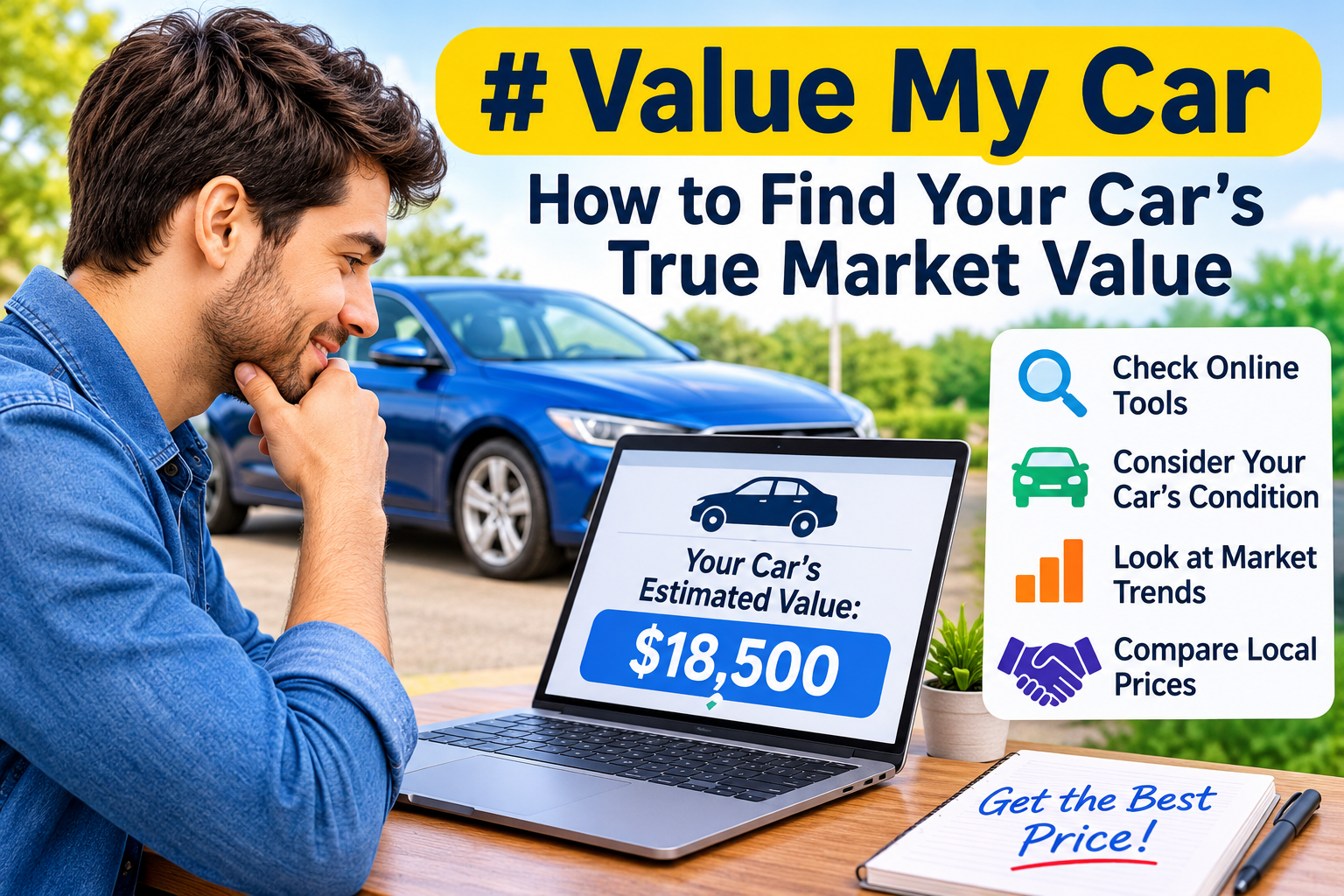
Have you ever wondered how much your car is worth today? Perhaps you want to sell it, upgrade it, or simply understand its current value. Knowing your car’s price can help you make better decisions. It can also protect you from accepting a poor offer. Many car owners struggle to find the right selling price. Some expect too much, while others sell below market value. The good news is that checking your car’s worth is easier than ever. With the right information, you can understand its market position. If you want to value my car accurately, start by looking at its condition, age, mileage, and demand. These details help create a realistic price estimate. In this guide, we explain everything in simple words. You will learn how car valuation works and how to get a fair price.
1. What Does It Mean to Value My Car?
When you value your car, you find out how much someone might pay for it. This amount depends on several important details. These include the car’s age, model, condition, and mileage. Market demand also plays an important role. A popular car may attract more buyers than a less common model. Car valuation gives you an estimated selling price based on these factors. It does not always mean you will receive that exact amount. Different buyers may offer different prices. For example, a private buyer might pay more than a car dealer. A dealer may offer less because they need to prepare and resell the vehicle. Understanding this difference helps you set better expectations. A good valuation gives you a useful starting point before selling or trading your vehicle.
2. Why Should You Check Your Car’s Market Value?
Knowing your vehicle’s market value can save you money and time. It helps you understand what buyers may be willing to pay. Without this knowledge, you might accept an offer that is too low. You could also set an unrealistic asking price. Both situations can create problems when selling. Checking your car’s value is also useful when planning your next purchase. You can estimate how much money you will receive from your current vehicle. This makes budgeting easier. It can also help you compare trade-in offers from different dealers. If you want to value my car before making a decision, research similar vehicles first. Look at their prices, mileage, and condition. This simple step gives you a clearer idea of your vehicle’s position in the market.
3. What Factors Affect Your Car’s Value?
Several things can change the value of your vehicle. Understanding these factors helps you get a more accurate estimate.
Car Age
Older vehicles usually lose value over time. However, some well-maintained models remain popular for many years.
Mileage
Mileage shows how far your car has travelled. Lower mileage can make a vehicle more attractive. However, maintenance history matters too.
Vehicle Condition
A clean car with fewer problems may attract better offers. Scratches, dents, engine issues, and worn interiors can reduce its price.
Brand and Model
Some manufacturers have strong resale value. Popular models often attract more buyers.
Market Demand
Prices can change based on buyer interest. High demand may increase your car’s selling price.
Service History
A complete service record can build buyer confidence. It shows that the vehicle received regular care.
These factors work together. No single detail determines your vehicle’s final selling price.
4. How to Value My Car Online
Online car valuation tools make price research simple. Many websites ask for basic vehicle information. You usually enter the make, model, year, mileage, and condition. Some tools also request your location and registration details. After submitting the information, you receive an estimated price. This gives you a useful starting point for your research. However, every valuation tool works differently. Some use market listings, while others use sales data. Their estimates may not match the price offered by an actual buyer. Therefore, never depend on one result alone. Compare several estimates and check similar vehicles for sale. If you want to value my car online, provide accurate details. Incorrect information can lead to an unrealistic estimate. Remember, an online valuation is a guide, not a guaranteed offer.
5. How Does Mileage Affect Your Car’s Resale Value?
Mileage is one of the first things buyers check. It helps them understand how much a vehicle has been used. Cars with lower mileage can sometimes attract higher prices. However, mileage does not tell the complete story. A low-mileage vehicle with poor maintenance may have hidden problems. Meanwhile, a higher-mileage car with regular servicing can still be reliable. Buyers also consider how the car was driven. Long motorway journeys may create different wear from frequent city driving. For example, a family car with regular maintenance may remain attractive after many years. Always provide honest mileage information when selling. Keep service records and repair receipts available. These documents can support your asking price. They also help buyers feel more confident about your vehicle.
6. Does Car Condition Change Its Market Price?
Yes, your car’s condition can make a major difference. Buyers usually prefer vehicles that look clean and work properly. Small problems may seem unimportant to you. However, they can affect the price during negotiations. Check the exterior for scratches, dents, and damaged paint. Look inside for torn seats, broken buttons, and unpleasant smells. Pay attention to the tyres, lights, brakes, and engine performance. Fixing minor problems may improve your vehicle’s appearance. However, expensive repairs are not always worth completing before selling. Compare the repair cost with the possible increase in selling price. A professional inspection can help identify serious issues. If you want to value my car fairly, describe its condition honestly. Clear information helps prevent disagreements with potential buyers.
7. How to Get the Best Price When Selling Your Car
Getting a good selling price requires some preparation. Start by researching similar vehicles in your area. Compare their age, mileage, model, and condition. This helps you understand the competition. Next, prepare your car for potential buyers. Wash the exterior and clean the interior. Remove personal items and organise important documents. Good photographs can also improve your advertisement. Take pictures from different angles. Show the dashboard, seats, wheels, and exterior condition. Be honest about existing problems. Buyers appreciate clear descriptions and realistic prices. Avoid setting an extremely high asking price. It may discourage serious enquiries. Leave some room for reasonable negotiation. Before accepting an offer, compare it with other available options. A little preparation can make your selling experience much easier.
8. Private Sale vs Dealer Sale: Which Gives Better Value?
There are different ways to sell your vehicle. Two common choices are private sales and dealer sales. Each option has its own advantages.
Private Sale: Selling privately may help you receive a higher price. You deal directly with potential buyers. However, you must manage advertisements, calls, inspections, and negotiations. The process may take longer.
Dealer Sale: Selling through a dealer can be more convenient. Dealers may provide quicker offers and handle much of the process. However, their offers may be lower. They need to cover preparation and resale costs.
Your best choice depends on your needs. If you want a higher possible price, consider a private sale. If convenience matters more, a dealer may be suitable. Always compare several offers before making your decision. This helps you understand your car’s actual selling potential.
9. How to Compare Used Car Prices Correctly
Comparing similar vehicles is one of the easiest ways to estimate market value. Start by finding cars with the same make and model. Then check their manufacturing year and mileage. Compare their engine size, transmission, and features. Look at vehicles in similar condition. Location also matters because prices can differ between areas. For example, a popular city car may attract stronger demand in busy urban locations. Do not compare your vehicle with a completely different model. This can create misleading expectations. Check several listings instead of relying on one advertisement. Remember that advertised prices are not always final selling prices. Some sellers may accept less after negotiation. Careful comparison gives you a more realistic picture of current used car prices.
10. Can You Increase Your Car’s Resale Value?
Yes, certain improvements can make your vehicle more attractive. Start with basic cleaning and maintenance. A fresh interior can create a better first impression. Fix small issues when the repair cost makes sense. Check that all lights and electrical features work properly. Replace damaged wipers if needed. Keep the tyres in good condition. Collect your service records, invoices, and ownership documents. These details can help build buyer confidence. Avoid spending too much money on unnecessary upgrades. Expensive accessories do not always increase resale value. Instead, focus on keeping the vehicle clean, safe, and well-maintained. Buyers often appreciate a car that has received proper care. A little preparation can make your advertisement stand out from competing listings.
11. Common Mistakes to Avoid During Car Valuation
Many car owners make simple mistakes when checking their vehicle’s worth. These mistakes can lead to poor selling decisions.
- Guessing the price: Never choose a price without checking the market.
- Ignoring vehicle condition: Small problems can affect buyer interest.
- Using one valuation tool: Different websites may provide different estimates.
- Comparing different models: Always compare similar vehicles.
- Hiding damage: Honest information builds trust with buyers.
- Ignoring local demand: Prices can vary between locations.
- Setting an unrealistic price: An expensive listing may receive fewer enquiries.
Avoiding these mistakes can improve your selling experience. Take time to research your vehicle. Compare several estimates and speak with potential buyers. If you want to value my car correctly, focus on real market information. A realistic price can help attract serious buyers. It can also make negotiations easier.
12. What Documents Do You Need Before Selling Your Car?
Having the correct documents can make a vehicle sale easier. Buyers often want proof of ownership and maintenance. Prepare your registration documents and available ownership records. Keep your service book and repair invoices together. These records help explain your vehicle’s history. If you have spare keys, include them when showing the car. Check whether any finance or outstanding payments need attention. Requirements can differ depending on your country and location. Therefore, check the relevant local rules before completing a sale. Never hand over your vehicle without confirming payment. Use a safe payment method and keep a record of the transaction. Proper paperwork protects both the buyer and seller. It also helps avoid unnecessary delays during the selling process.
13. When Is the Best Time to Sell Your Car?
Timing can affect how quickly your car sells. Some vehicles attract more interest during certain seasons. For example, family cars may receive attention before holiday periods. Small, fuel-efficient vehicles may appeal to buyers facing higher fuel costs. However, there is no perfect selling month for every vehicle. Local demand, fuel prices, and economic conditions can change buyer behaviour. Your car’s age and condition also matter. Selling before major repairs become necessary may help protect its value. However, do not rush into a sale without checking the market. Compare current listings and monitor buyer interest. If you already plan to upgrade, checking your vehicle’s worth early can help you prepare financially. Good timing and realistic pricing can make selling easier.
14. How Accurate Are Online Car Valuation Tools?
Online valuation tools are useful, but their results are not always exact. They usually depend on the information you provide. Some tools also use market listings and historical sales information. However, they may not understand every detail of your car. A recently repaired vehicle may deserve a different price. Special features or unusual damage may also affect its value. Local buyer demand can change the final offer. Therefore, treat online estimates as starting points. Compare them with similar vehicles and dealer offers. A physical inspection can provide a clearer picture of the car’s condition. If you want to value my car before selling, combine online research with real market comparisons. This approach can help you make a more informed decision.
15. Final Thoughts: Find the Right Value for Your Car
Knowing your car’s worth is an important part of making a smart selling decision. It helps you avoid low offers and unrealistic expectations. Start by checking your vehicle’s age, mileage, and condition. Research similar models and compare prices in your area. Use online valuation tools to collect useful estimates. Then compare those estimates with actual buyer offers. Remember that every vehicle has its own selling potential. Maintenance records, market demand, and presentation can all influence the final price. Do not rush into accepting the first offer. Take time to understand your options. If you want to value my car with confidence, begin your research today. A little preparation can help you find a fair price. It can also make your next vehicle purchase easier.
Frequently Asked Questions (FAQs)
1. How Can I Value My Car for Free?
You can check your car’s estimated value through free online valuation tools. Enter your vehicle’s make, model, year, mileage, and condition. Compare the results with similar vehicles listed in your area. You can also request estimates from different dealers. This helps you understand your vehicle’s possible selling price without paying for an initial estimate.
2. How Much Is My Car Worth Today?
Your car’s current value depends on its age, mileage, condition, and market demand. Popular models may attract more buyers. Vehicles with complete service records can also receive stronger offers. Check similar listings and online valuation estimates. Remember that the final selling price may differ from the advertised price.
3. Can I Check My Car’s Value Online?
Yes, many websites offer online car valuation services. Most ask for basic vehicle details before showing an estimated price. Some tools provide instant results. Others may require additional information or a physical inspection. Always compare multiple estimates to get a more realistic understanding of your vehicle’s market value.
4. Does High Mileage Reduce My Car’s Value?
High mileage can reduce your car’s resale value because buyers may expect more wear. However, mileage is not the only important factor. Regular servicing and good maintenance can improve buyer confidence. A well-maintained vehicle may still attract a fair price despite having higher mileage.
5. Should I Sell My Car Privately or Through a Dealer?
Both options have benefits. A private sale may bring a higher price, but it can take more time. Selling through a dealer is often more convenient. However, dealer offers may be lower. Compare both options before deciding. Your choice should depend on your budget, timeline, and personal preferences.
6. What Is the Best Way to Get an Accurate Car Valuation?
The best approach is to combine different valuation methods. Start with online valuation tools and compare similar vehicles. Check your car’s condition, service history, and mileage. You can also request offers from several dealers. A professional inspection may provide more detailed information. Together, these steps can help you understand your vehicle’s realistic market value.