
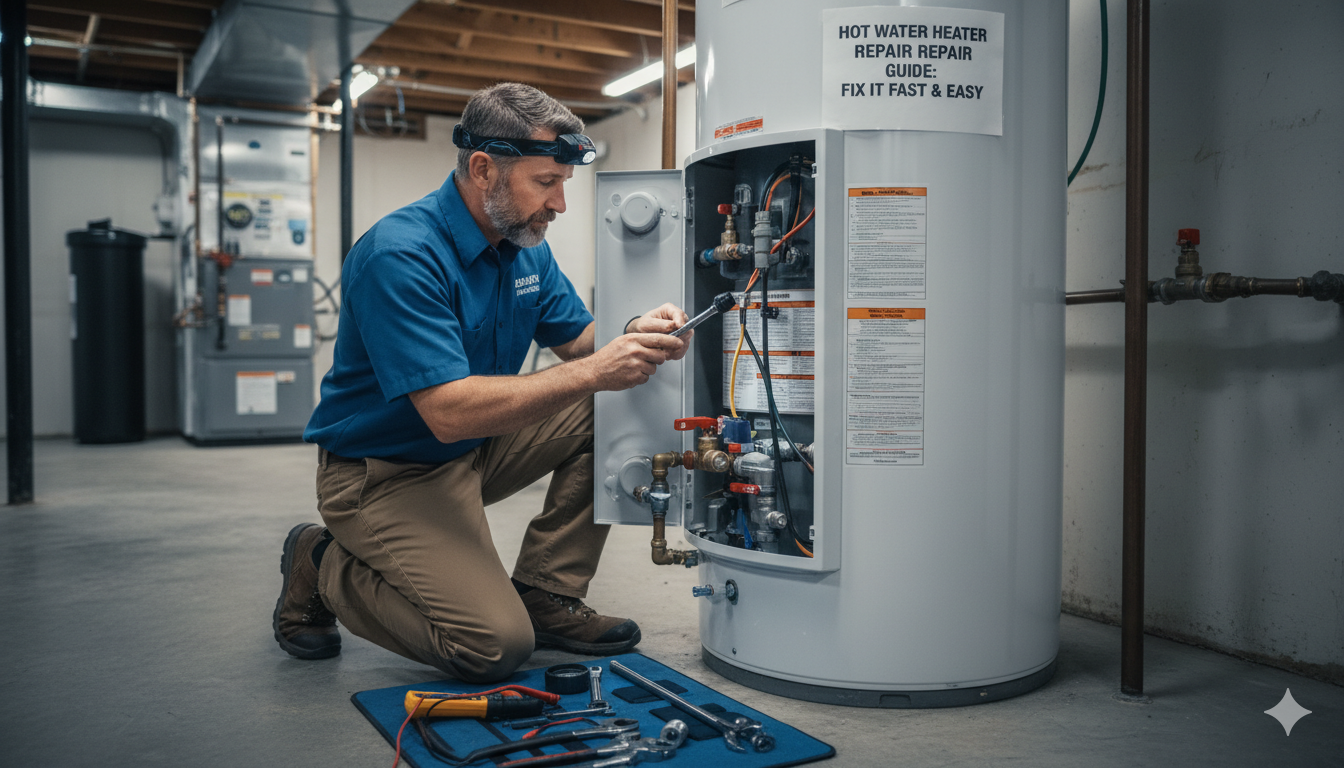
We all know that feeling when you jump into the shower and the water is freezing. It is a total shock! When your machine stops working, you need a hot water heater repair fast. Dealing with a broken heater can feel scary, but most problems are actually quite simple to understand. Whether you have a small leak or just no warm water at all, there are ways to fix it. This guide is here to help you understand your home’s heating system. We want to make sure you never have to take a cold shower again. We will talk about everything from noisy tanks to strange smells in your pipes.
Most people don’t think about their water heater until it breaks down. It sits in a dark corner or a closet doing its job every single day. But like a car, it needs a little love and care to keep running. Performing a hot water heater repair early can save you a lot of money later. If you catch a small drip now, you won’t have a giant flood in your basement next week. We are going to walk through the most common issues together. My goal is to help you feel like an expert in your own home. Let’s dive in and get that water steaming again!
Quick Reference: Common Problems and Fixes
| Problem | Possible Cause | Easy Solution |
| No Hot Water | Tripped circuit or bad pilot light | Reset breaker or relight the pilot |
| Not Enough Water | Thermostat set too low | Turn up the heat dial slightly |
| Leaking Tank | Loose valves or rusted tank | Tighten bolts or call a pro |
| Noisy Tank | Sediment buildup at the bottom | Flush the tank with a hose |
| Smelly Water | Bacteria or old anode rod | Replace the rod or flush with bleach |
Why Is My Water Cold?
When you turn on the faucet and nothing happens, it is time for a hot water heater repair. First, check if your heater is getting power. If you have an electric model, a fuse might have blown. If you have a gas model, the pilot light might have gone out. Sometimes, the solution is as simple as flipping a switch or clicking a button. You don’t always need a fancy tool kit to get things moving again. Just take a deep breath and look at the basics first.
Fixing a Leaking Water Heater
A puddle on the floor is a big sign you need a hot water heater repair. Water can leak from the top or the bottom. If it comes from the top, a pipe might just be loose. You can use a wrench to tighten it up. If the leak is coming from the bottom of the tank itself, that is a bigger deal. This usually means the metal has rusted through. In that case, you might need to get a brand-new unit soon. Always keep the floor dry to prevent mold from growing.
Dealing With Low Water Pressure
If your shower feels like a tiny drizzle, you might need a hot water heater repair. This often happens because of “scale” or “sediment” inside your pipes. Think of it like a straw that is clogged with sand. The water cannot get through fast enough. Cleaning out the valves can help the water flow much better. You deserve a strong, relaxing shower after a long day of work. Checking your pressure regularly keeps the whole system happy and healthy for years to come.
What Are Those Strange Noises?
Does your heater sound like it is popping popcorn? That is a sign you need a hot water heater repair. Those loud bangs are caused by dirt and minerals sitting at the bottom of the tank. When the water heats up, bubbles trap the dirt and make noise. It sounds scary, but it is actually very common. You can fix this by “flushing” the tank. This means letting all the water out and rinsing it with clean water. It makes the machine much quieter and more efficient.
Why Does My Water Smell Like Eggs?
If your water smells like rotten eggs, you definitely need a hot water heater repair. This smell usually comes from a “sacrificial anode rod.” That is a long metal stick inside your tank that stops it from rusting. When the rod gets too old, it can react with the water and smell bad. Replacing this rod is a cheap way to make your water smell fresh again. No one wants to wash their face with stinky water! It is a quick fix that makes a huge difference.
Adjusting the Temperature Settings
Sometimes a hot water heater repair is just about turning a dial. If your water is too hot, you might get burned. If it is too cold, the dishes won’t get clean. The perfect temperature is usually around 120 degrees. You can find the thermostat on the side of the tank. Be careful not to turn it up too high, as that wastes a lot of electricity or gas. Keeping it at a steady level helps your heater last much longer without breaking down.
Checking the Pilot Light Safely
For gas heaters, the pilot light is the tiny flame that stays lit all the time. If it goes out, you will need a hot water heater repair. Most modern heaters have a “clicker” button to relight it. You should always follow the instructions printed on the side of the tank. If you smell gas, do not try to fix it yourself! Open the windows and call a professional immediately. Safety is the most important part of any home project you do yourself.
How to Flush Your Water Tank
Flushing your tank is a great hot water heater repair habit. You should do this once a year to keep the tank clean. First, turn off the power and the water. Connect a garden hose to the drain valve at the bottom. Run the other end of the hose to a floor drain or outside. Let the water flow until it looks clear. This removes all the “gunk” that slows down your heating. It is like giving your water heater a refreshing bath so it can work better.
When to Call a Professional Plumber
Not every hot water heater repair should be done by yourself. If you see sparks, smell gas, or see a giant crack in the tank, call a pro. Plumbers have special tools to fix things safely. It might cost some money, but it gives you peace of mind. Trying to fix a gas line without knowing how can be very dangerous. A good plumber will explain what went wrong and how to prevent it from happening again in the future.
Saving Money on Energy Bills
A healthy hot water heater repair routine saves you cash. When your heater is clean, it doesn’t have to work as hard. This means your monthly bills will be much lower. You can also wrap your heater in a special “blanket” to keep the heat inside. This is a very cheap way to save money every month. Little changes like this add up to big savings over time. Plus, it is better for the planet when we use less energy in our homes.
Frequently Asked Questions
1. How long do water heaters usually last?
Most tanks last between 8 to 12 years. If yours is older, you might need a hot water heater repair more often. Regular cleaning helps them last toward the longer end of that range.
2. Is it safe to fix a water heater myself?
Basic things like flushing the tank or adjusting the heat are very safe. However, if you are dealing with gas lines or complex wiring, it is better to ask for help from an adult or a pro.
3. Why is my hot water brown or rusty?
This means the inside of your tank is starting to rust. You might need a hot water heater repair to replace the anode rod. If the tank is very old, the rust might mean it is time for a new one.
4. How much does a typical repair cost?
Small fixes like a new valve or rod are cheap. Bigger jobs can cost a few hundred dollars. Keeping up with maintenance is the best way to avoid the expensive repairs.
5. Why does it take so long for the water to get hot?
If your heater is far away from the bathroom, the water has to travel through long pipes. Insulating your pipes can help the water stay warm as it moves through your house.
6. Can a water heater explode?
It is very, very rare. Heaters have a “TPR valve” that lets out extra pressure so they stay safe. As long as that valve is working, you don’t have to worry about explosions.
Conclusion: Keep the Warmth Flowing
In the end, taking care of your home means staying on top of hot water heater repair. It might seem like a big chore, but it is mostly about paying attention. Listen for noises, look for leaks, and smell the water every now and then. If you treat your water heater well, it will provide you with warm showers for many years. Remember, you don’t have to be a genius to keep your home running smoothly. Just follow these simple steps and stay safe.