
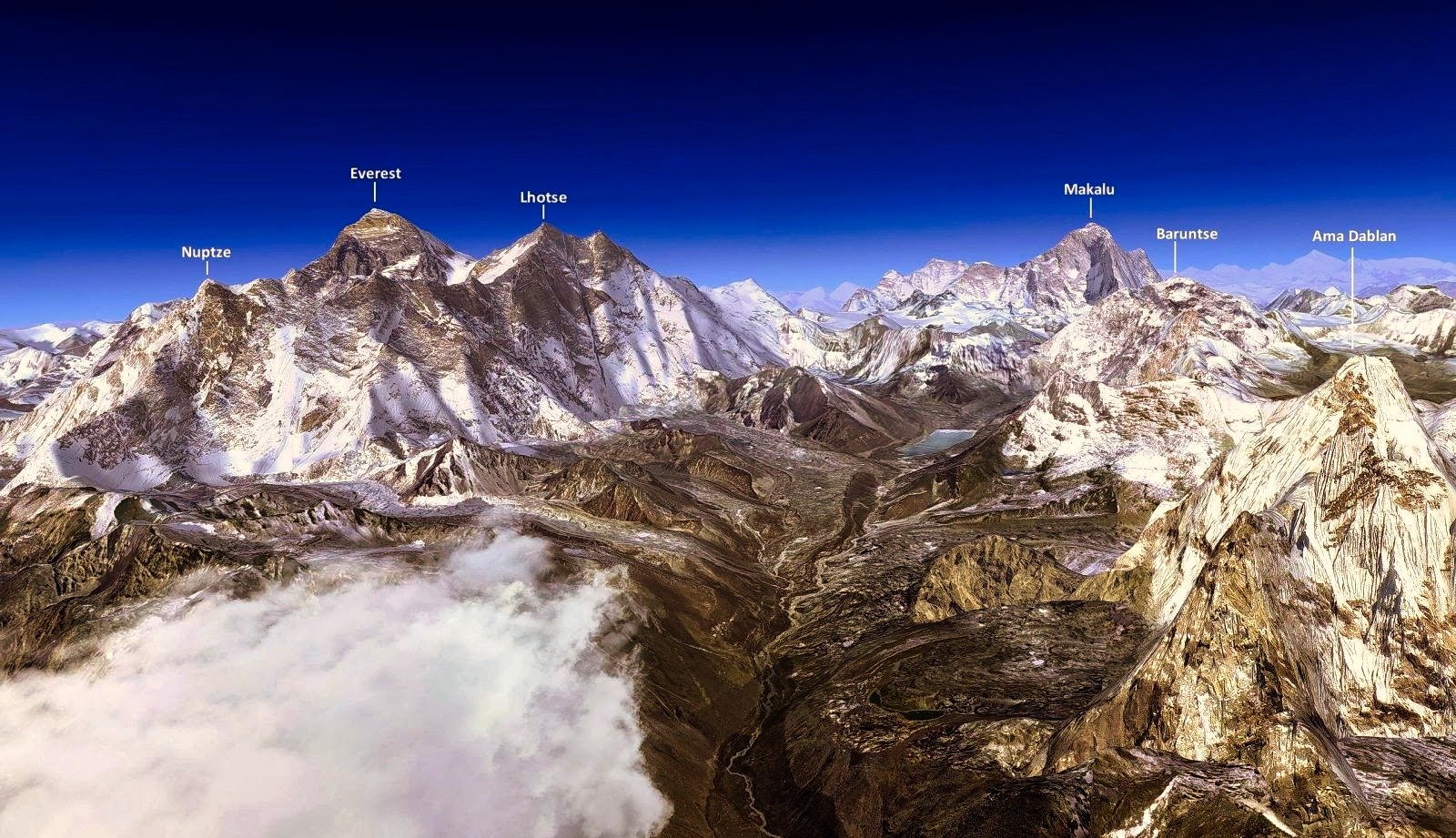
Mount Everest is one of the most famous mountains in the world. It attracts travelers, climbers, explorers, and nature lovers. Many people dream of seeing this giant mountain at least once. However, one common question is about the Mount Everest location. Where exactly is this famous peak found? Mount Everest stands in the Himalayas, along the border between Nepal and China. Its northern side belongs to Tibet, which is an autonomous region of China. Its southern side is located in Nepal. The mountain is famous for its great height, snowy slopes, and beautiful views. It reaches approximately 8,848.86 meters above sea level. This makes it the highest mountain on Earth. In this guide, you will learn about its location, geography, nearby places, climbing routes, and weather. You will also discover interesting facts that make Mount Everest special.
1. Where Is Mount Everest Located?
Mount Everest is located in the Himalayan mountain range of Asia. It stands on the international border between Nepal and China. The southern side is in Nepal, while the northern side is in Tibet. This location makes the mountain important to both regions. Its geographical position is approximately 27.9881° north latitude and 86.9250° east longitude. These coordinates help travelers and researchers identify the mountain on maps. The nearest famous settlement on the Nepalese side is Namche Bazaar. It is a popular stop for trekkers heading toward Everest Base Camp. On the Tibetan side, travelers can explore the northern approach. The Mount Everest location is also surrounded by other tall Himalayan peaks. Its remote setting creates a beautiful natural landscape. However, reaching the mountain requires careful planning, permits, and proper preparation.
2. Mount Everest Location on the World Map
Mount Everest appears in southern Asia, within the Himalayan region. You can find it near the border of Nepal and China on a world map. It is located northeast of Kathmandu, Nepal’s capital city. The mountain also lies south of the Tibetan Plateau. Its position makes it part of one of the world’s most famous mountain systems. When looking at a physical map, Everest stands among many high peaks. Its surrounding landscape contains glaciers, deep valleys, and rocky mountain slopes. Digital maps can also help you find its exact position. You can search using its name or geographical coordinates. The Mount Everest location is easy to identify on detailed maps. However, reaching it is much harder than finding it online. The mountain is surrounded by challenging terrain and changing weather. This makes it an exciting destination for experienced adventurers.
3. Which Countries Share Mount Everest?
Mount Everest sits between two countries: Nepal and China. Its southern slopes are located in Nepal. Its northern slopes are in Tibet, an autonomous region of China. Both sides provide different ways to experience the mountain. Nepal is especially famous for its Everest Base Camp trekking route. Thousands of visitors travel through its mountain villages each year. The northern side offers another approach through Tibet. This route has different landscapes, travel rules, and access conditions. Both sides provide beautiful views of the surrounding Himalayas. The international border runs directly across the mountain’s summit. This means Everest belongs geographically to both countries. However, visitors must follow the rules of the country they enter. The Mount Everest location makes it a special natural landmark shared by two neighboring nations.
4. Mount Everest Height and Important Details
Mount Everest is the highest mountain above sea level. Its officially recognized height is 8,848.86 meters, or about 29,031.7 feet. Nepal and China announced this measurement in 2020. The height includes the mountain’s snow and ice covering. Everest is much taller than most mountains around the world. Its great height creates very difficult conditions for climbers. Oxygen levels become much lower near the summit. Temperatures can also fall far below freezing. Strong winds create additional risks during climbing seasons. The Mount Everest location in the Himalayas contributes to these extreme conditions. Its height also makes it an important subject for scientists. Researchers study its glaciers, weather, geology, and changing environment. Understanding these details helps people appreciate the mountain beyond its famous summit.
5. Complete Mount Everest Biography Table
The following table provides important information about Mount Everest. It covers its location, height, geographical features, and other basic details. This information helps readers understand the mountain quickly. Everest is more than a climbing destination. It is also a major geographical landmark in Asia. Its natural environment supports unique plants and animals at lower elevations. Higher areas contain snow, ice, and exposed rocks. The table also explains its relationship with Nepal and China. These details are useful for students, travelers, bloggers, and geography lovers. The Mount Everest location is especially important because it helps explain the mountain’s climate and landscape. You can use this information as a quick reference when learning about the world’s highest peak.
| Detail | Information |
| Name | Mount Everest |
| Local Nepali Name | Sagarmatha |
| Tibetan Name | Chomolungma |
| Mountain Range | Himalayas |
| Continent | Asia |
| Location | Nepal-China border |
| Southern Side | Nepal |
| Northern Side | Tibet, China |
| Height | 8,848.86 meters |
| Height in Feet | 29,031.7 feet |
| Latitude | 27.9881° N |
| Longitude | 86.9250° E |
| Mountain Type | Fold mountain |
| Highest Point | Mount Everest Summit |
| Nearby Famous Town | Namche Bazaar |
| Popular Trek | Everest Base Camp Trek |
| Nepalese Base Camp | South Base Camp |
| Northern Base Camp | North Base Camp |
| First Confirmed Summit | 1953 |
| First Confirmed Climbers | Edmund Hillary and Tenzing Norgay |
| Main Attractions | Snow peaks, glaciers, mountain views |
| Best Trekking Seasons | Spring and autumn |
6. Why Is Mount Everest So Famous?
Mount Everest is famous because it is the highest mountain on Earth. Its great height has attracted explorers for generations. Many climbers consider reaching its summit a major life achievement. The mountain also has a rich history of exploration. Edmund Hillary and Tenzing Norgay made the first confirmed successful summit in 1953. Their achievement inspired people around the world. Today, Everest attracts climbers, photographers, researchers, and trekkers. Its beautiful landscape is another reason for its popularity. Visitors enjoy views of snowy peaks and massive glaciers. Local Sherpa communities also play an important role in mountain tourism. Their knowledge and experience help support many climbing journeys. The Mount Everest location makes it a symbol of adventure, natural beauty, and human determination.
7. The Best Route to Reach Mount Everest
There are different ways to reach the Everest region. The most popular option for visitors is traveling through Nepal. Many trekkers begin their journey in Kathmandu. They usually travel to Lukla before starting the walking route. From there, the trail passes through villages like Phakding and Namche Bazaar. Trekkers continue toward Tengboche, Dingboche, and Gorak Shep. The famous Everest Base Camp is the main destination for many visitors. Another option is approaching the mountain from Tibet. This northern route has different road access and travel requirements. Visitors must arrange suitable permits and follow local rules. The Mount Everest location allows access from both countries. However, neither route is simple. Travelers should prepare for high altitude, cold temperatures, and difficult walking conditions.
8. What Is Everest Base Camp?
Everest Base Camp is a popular destination for adventure travelers. It provides a starting point for many climbing expeditions. There are two main base camps on opposite sides of the mountain. The southern base camp is located in Nepal. The northern base camp is located in Tibet, China. The Nepalese camp sits at approximately 5,364 meters above sea level. The northern camp is also at a very high elevation. Trekkers visit these places to experience the Himalayan environment. They can enjoy beautiful mountain views and large glaciers. However, reaching base camp requires physical preparation. The high altitude can cause serious health problems. Proper rest and gradual acclimatization are important. The Mount Everest location makes these base camps special places for people who want to experience the world’s highest mountain.
9. Weather and Climate Around Mount Everest
Mount Everest has extremely cold and changing weather. Conditions become harsher as you climb higher. The summit can experience freezing temperatures and powerful winds. Snowstorms may develop quickly, making climbing dangerous. Spring and autumn are generally popular periods for trekking. Spring offers suitable conditions for many climbing expeditions. Autumn often provides clear skies and excellent mountain views. Winter is much colder and can bring severe storms. Summer is part of the monsoon season in Nepal. Heavy rain can affect lower trekking routes. The Mount Everest location creates different weather patterns across its slopes. Conditions also change between the Nepalese and Tibetan sides. Travelers should always check reliable forecasts before visiting. Proper clothing, equipment, and experienced guides can help reduce travel risks.
10. Mountains and Places Near Mount Everest
Mount Everest is surrounded by many beautiful Himalayan landmarks. These mountains create one of the most impressive landscapes in the world. Lhotse is a nearby peak and the fourth-highest mountain on Earth. Nuptse is another famous mountain close to Everest. Ama Dablam is also popular among trekkers and photographers. The Khumbu Glacier lies near the southern climbing route. It is an important part of the Everest region. Namche Bazaar is another famous place for visitors. It offers shops, guesthouses, and mountain views. Tengboche is known for its beautiful monastery and peaceful surroundings. These locations make the Mount Everest location even more interesting. Visitors can explore different parts of the Himalayas while learning about local culture and nature.
11. Animals and Plants Found Around Mount Everest
The Everest region has different plants and animals at different elevations. Lower mountain areas contain forests, bushes, and alpine plants. Rhododendron forests add bright colors during the spring season. You may also find pine and juniper trees in suitable areas. Wildlife includes Himalayan tahr, musk deer, and snow leopards. Red pandas live in some forest habitats of the wider Himalayan region. Birds such as Himalayan monals can also be seen. Higher elevations have fewer plants because of extreme cold. Snow, ice, and rocky ground dominate these areas. The Mount Everest location creates several natural habitats. These habitats support wildlife adapted to difficult conditions. Protecting the environment is important for future generations. Visitors should avoid littering and disturbing animals during their journeys.
12. The History of Mount Everest Exploration
Mount Everest has a long history of exploration. Early expeditions helped people understand the mountain’s difficult terrain. British teams made several attempts during the 1920s and 1930s. However, reaching the summit remained a major challenge. In 1953, Edmund Hillary and Tenzing Norgay achieved the first confirmed successful ascent. Their achievement became an important moment in climbing history. Over time, better equipment and improved knowledge helped more climbers attempt Everest. Modern expeditions now use advanced clothing, communication tools, and safety equipment. However, climbing remains dangerous. Avalanches, altitude sickness, falling ice, and extreme weather create serious risks. The Mount Everest location continues to attract experienced mountaineers. Its history reminds us that success requires teamwork, patience, preparation, and respect for nature.
13. Interesting Facts About Mount Everest
Mount Everest has many interesting facts that make it unique. It is the highest mountain above sea level. Its summit lies in the zone where oxygen levels are extremely low. The mountain continues to change through geological activity. It formed as the Indian tectonic plate pushed against the Eurasian plate. This process helped create the Himalayas. Everest is also known by different names. Nepalese people call it Sagarmatha. Its Tibetan name is Chomolungma. Many people visit the region without climbing to the summit. Trekking to Everest Base Camp is a popular alternative. The Mount Everest location also makes it an important destination for scientific research. Researchers study glaciers, climate change, and mountain ecosystems. These facts show why Everest is important beyond its impressive height.
14. Travel Tips Before Visiting Mount Everest
Visiting the Everest region requires good planning. Start by choosing the side you want to explore. Nepal and Tibet have different travel requirements. Check current permits and entry rules before booking your trip. Prepare comfortable hiking boots and warm clothing. Carry suitable gloves, sunglasses, and sun protection. High-altitude travel requires extra care. Walk slowly and allow your body time to adjust. Drink enough water and avoid rushing your journey. Hiring an experienced local guide can improve safety. Travel insurance should cover high-altitude trekking and emergency evacuation where needed. The Mount Everest location is remote, so medical services may be limited. Keep emergency supplies and follow local advice. Responsible travel also means respecting mountain communities and protecting natural surroundings.
15. Why Should You Learn About Mount Everest Location?
Learning about Mount Everest helps you understand world geography. It also introduces you to the Himalayan region and its natural beauty. Knowing the mountain’s position helps explain its climate and nearby landscapes. Students can use this information for geography projects. Travelers can use it to plan future adventures. Nature lovers can learn about glaciers, wildlife, and mountain ecosystems. The Mount Everest location also shows how natural landmarks connect different countries. Nepal and China share this famous geographical feature. Its history teaches lessons about teamwork and determination. Understanding its challenges also helps people respect mountaineering risks. Whether you want to travel or study geography, Everest offers something interesting. Learning about this mountain is a great way to explore the natural world.
Conclusion
Mount Everest is one of the world’s most remarkable natural landmarks. Its position in the Himalayas makes it a famous destination for adventurers and nature lovers. The mountain stands between Nepal and China. Its height of 8,848.86 meters makes it the highest peak above sea level. From beautiful glaciers to traditional mountain villages, the region offers many attractions. Its history also includes important achievements in mountaineering. Understanding the Mount Everest location helps explain its geography, weather, and cultural importance. However, visiting this mountain requires careful planning and respect for nature. You do not need to climb the summit to enjoy its beauty. A trek to the surrounding region can also create unforgettable memories.
Have you ever dreamed of visiting the Himalayas? Would you like to explore Everest Base Camp one day? Share your thoughts and questions in the comments. You can also share this guide with friends who enjoy geography and travel. Learning about famous places helps us understand our amazing planet. Mount Everest is a perfect example of nature’s power and beauty.
Frequently Asked Questions (FAQs)
1. Where is Mount Everest located?
Mount Everest is located in the Himalayan mountain range of Asia. It stands on the border between Nepal and China. Its southern side is in Nepal, while its northern side is in Tibet. The mountain is surrounded by glaciers, valleys, and other tall Himalayan peaks.
2. Which country owns Mount Everest?
Mount Everest lies along the international border between Nepal and China. Its southern slopes belong to Nepal. Its northern slopes are in Tibet, an autonomous region of China. Therefore, the mountain is shared geographically by both countries.
3. How tall is Mount Everest?
Mount Everest is 8,848.86 meters tall. This equals approximately 29,031.7 feet above sea level. Nepal and China jointly announced this official measurement in 2020. It remains the highest mountain above sea level.
4. Can tourists visit Mount Everest?
Yes, tourists can visit the Everest region. Many visitors travel to Nepal for the famous Everest Base Camp Trek. Others explore the northern side through Tibet. Visitors must follow local travel rules and obtain the required permits.
5. What is the best time to visit Mount Everest?
Spring and autumn are popular seasons for visiting the Everest region. Spring usually offers suitable conditions for climbing expeditions. Autumn often provides clear skies and beautiful mountain views. Weather can change quickly, so travelers should check forecasts.
6. What is Mount Everest called in Nepal and Tibet?
Mount Everest has different local names. In Nepal, it is called Sagarmatha. In Tibet, it is known as Chomolungma. Both names are closely connected with the mountain’s cultural and geographical importance.

