
Introduction
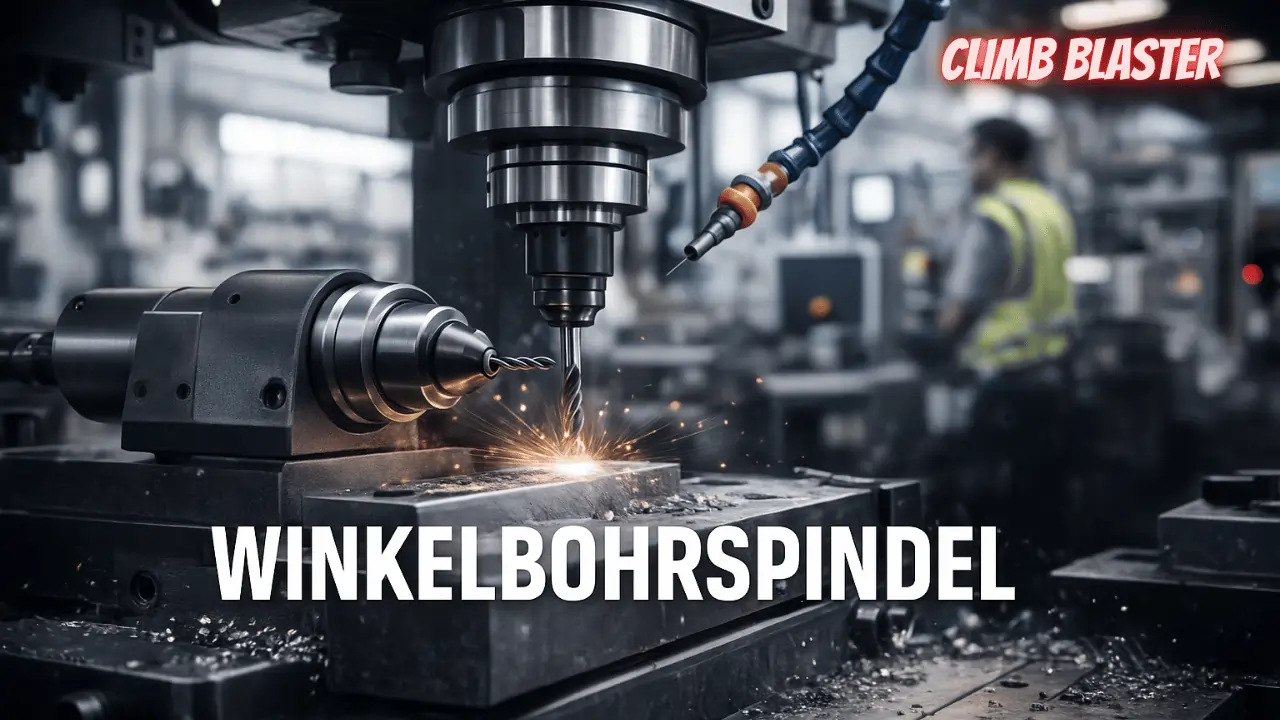
A winkelbohrspindel is an essential precision tool used in modern manufacturing, machining, and CNC applications. It enables accurate drilling at defined angles, especially where straight drilling tools cannot reach due to space limitations or complex component geometries. This guide explains the structure, working principles, types, advantages, and selection criteria of a winkelbohrspindel in a clear, professional, and fully human-readable tone.
What Is a Winkelbohrspindel?
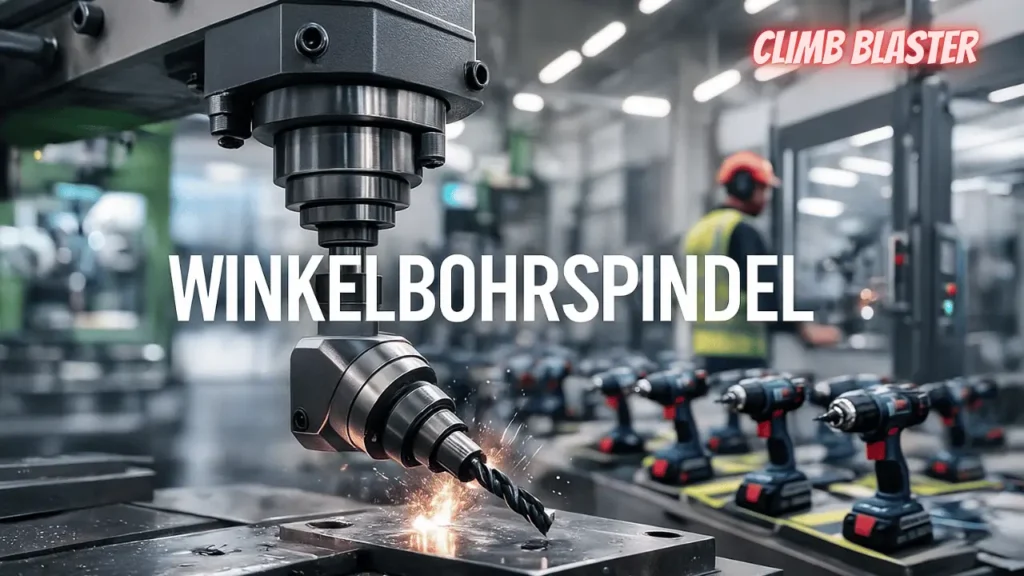
A winkelbohrspindel is a specialized drilling spindle that redirects rotational force through an angle, most commonly 90 degrees. Instead of transmitting torque in a straight line, it uses a gear mechanism to change the direction of the rotational axis. This allows drilling, milling, or machining tasks to be performed in areas that are otherwise unreachable with a conventional spindle.
The winkelbohrspindel is widely used in CNC machining centers, automotive engineering, aerospace manufacturing, and mechanical production environments where precision and accessibility are critical.
Structure and Working Principle of a Winkelbohrspindel
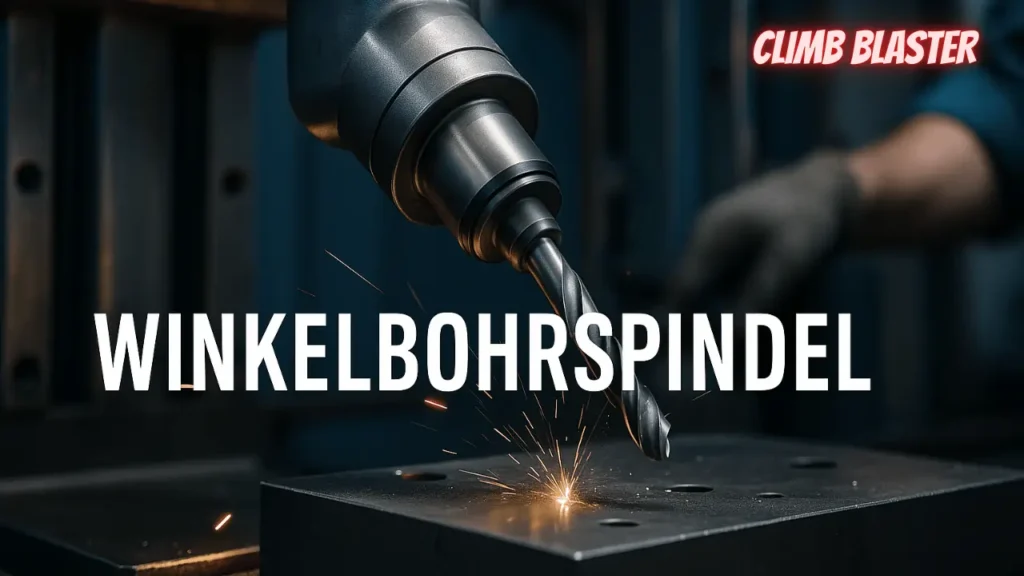
A winkelbohrspindel is engineered to deliver consistent torque and high accuracy even when operating under angled conditions. The following components play a key role in its performance.
Input Shaft
The input shaft transfers the machine’s driving force to the internal gear mechanism. It must be robust enough to withstand continuous rotational load without losing stability.
Precision Angle Gear
The angle gear redirects the rotational motion from the input shaft to the desired angle. Most winkelbohrspindel designs use bevel gears or helical gears for smooth and controlled transmission.
Output Spindle
The output spindle is the working end where the drill, cutter, or other tooling is mounted. It ensures that the redirected torque is delivered with minimal vibration and high accuracy.
Bearings and Housing
High-precision bearings support the rotation of both shafts, ensuring smooth operation. The protective housing keeps the internal gears safe from dust, chips, and mechanical impact.
Common Types of Winkelbohrspindeln
Manufacturing industries use different variants of the winkelbohrspindel based on application requirements and machining environments.
Fixed-Angle Spindles
These spindles have a predefined angle, usually 90 degrees. They are commonly used in repetitive machining tasks where the angle does not need adjustment.
Adjustable-Angle Spindles
These spindles allow users to set the angle as needed. They are ideal for components with varying geometries or when multiple angled drilling operations are required.
High-Speed Spindles
Designed for light materials and precision drilling, these spindles operate at very high rotational speeds, making them suitable for fine machining tasks.
High-Torque Spindles
Used for machining tough materials such as steel, cast iron, and titanium, these spindles are designed to withstand heavy loads and deliver strong torque.
Compact or Micro Spindles
Smaller versions of the winkelbohrspindel are used in electronics manufacturing, miniature parts production, and tight-space applications.
Industrial Applications of the Winkelbohrspindel
The winkelbohrspindel provides versatility across several industries. Its ability to drill and mill in hard-to-reach locations makes it a crucial tool for complex production tasks.
CNC Machining
In CNC machining centers, the winkelbohrspindel enables angled drilling without repositioning the workpiece. This reduces setup time and enhances accuracy.
Automotive Sector
Many automotive components contain deep or confined spaces. The winkelbohrspindel helps achieve precise drilling operations in areas where conventional tools cannot reach.
Aerospace Manufacturing
Aircraft components often feature curved, layered, or reinforced structures. The winkelbohrspindel makes it possible to perform precision machining inside these compact sections.
Mechanical Engineering
Large machines and mechanical assemblies frequently require angled holes and cuts. Using a winkelbohrspindel eliminates the need to shift heavy components for access.
Woodworking and Furniture Production
Woodworkers use the winkelbohrspindel to create angled joints, concealed holes, and structural connections in narrow or obstructed locations.
Key Advantages of Using a Winkelbohrspindel
A winkelbohrspindel offers several operational benefits that improve productivity, precision, and safety across different machining environments.
Access to Restricted Spaces
It enables machining in narrow or obstructed areas where a straight spindle cannot be used.
Increased Efficiency
Reduced workpiece repositioning saves time and enhances workflow efficiency.
High Precision
The combination of precision gears and stable bearings ensures accurate results even under angled loads.
Versatility
The winkelbohrspindel can handle a wide range of materials and is compatible with many machining systems.
Enhanced Safety
Operators can perform drilling tasks without adopting unsafe or inefficient tool angles.
How to Choose the Right Winkelbohrspindel
Selecting the correct winkelbohrspindel depends on the machine type, expected workload, and material requirements.
Required Angle
Choose between fixed-angle or adjustable-angle designs based on your machining plan.
Torque and Speed
Hard materials require high-torque spindles, while fine material processing benefits from high-speed variants.
Compatibility
Ensure that the spindle matches your machine’s interface and power specifications.
Build Quality
A solid housing, durable gears, and long-lasting bearings are essential for reliable operation.
Maintenance Needs
Easy-access lubrication points and dust protection help extend the lifespan of the spindle.
Conclusion
The winkelbohrspindel is a valuable tool for industries requiring precise angled drilling and machining. Its ability to deliver torque accurately through confined spaces makes it indispensable in CNC machining, automotive production, aerospace engineering, woodworking, and mechanical manufacturing. With various types and configurations available, the winkelbohrspindel provides solutions for both light-duty and heavy-duty applications while maintaining high reliability and accuracy.
Frequently Asked Questions
1. What is the main purpose of a winkelbohrspindel?
It is designed to perform drilling and machining tasks at specific angles, especially in tight or difficult-to-reach areas.
2. Can a winkelbohrspindel handle high-speed operations?
Yes, high-speed versions are available for fine machining and lightweight material processing.
3. In which industries is a winkelbohrspindel used?
It is widely used in CNC machining, automotive manufacturing, aerospace production, mechanical engineering, and woodworking.
4. What is the difference between fixed and adjustable winkelbohrspindeln?
Fixed-angle spindles maintain a set angle, while adjustable versions allow users to modify the angle as needed.
5. How important is maintenance for a winkelbohrspindel?
Regular lubrication and inspection are essential to ensure long-term precision and performance.