
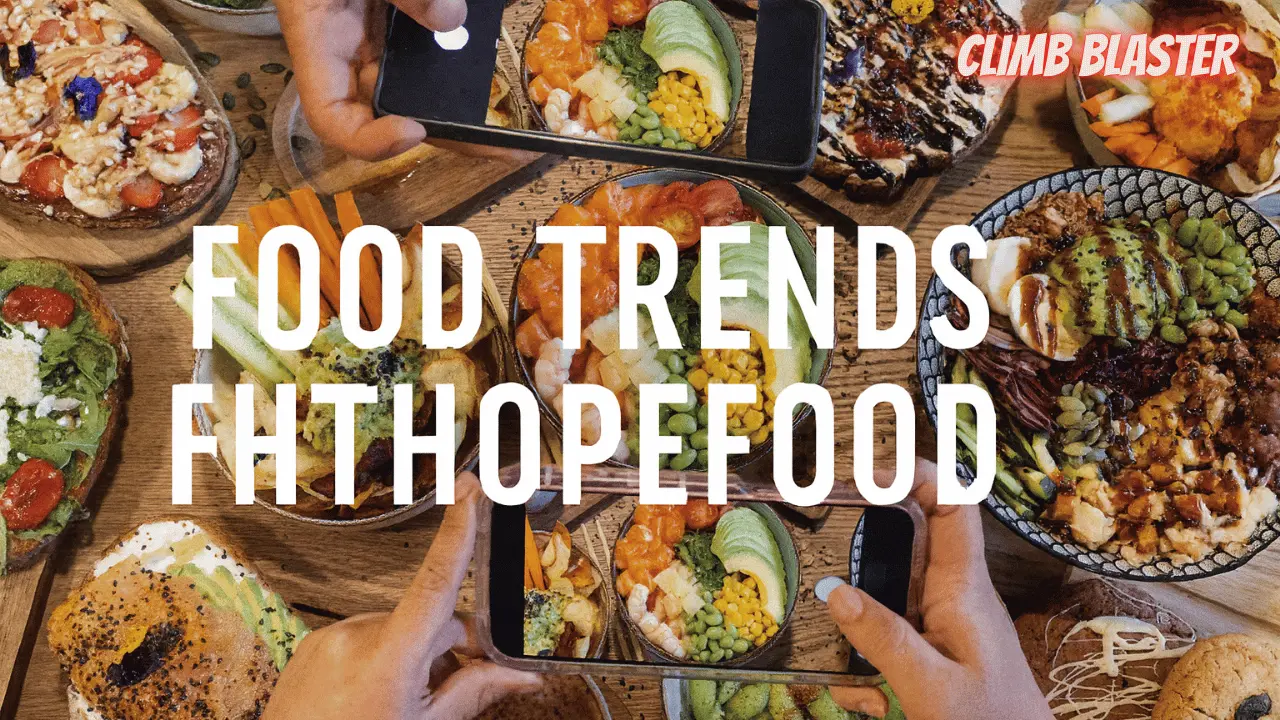
Introduction
As the world steps into a new era of health awareness, sustainability, and culinary creativity, modern eating habits are undergoing a major transformation. The term food trends fhthopefood has become an important reference point for understanding these changes. It represents a collection of evolving food behaviors focused on wellness, ethical choices, global flavors, and smart cooking practices.
This article explores these major trends in a clear and reader-friendly way, highlighting how they are changing homes, restaurants, and the global food culture.
Understanding the Concept of food trends fhthopefood
The expression food trends fhthopefood describes a set of popular food movements shaped by health-focused diets, sustainable habits, natural ingredients, and international culinary influences.
People today want food that supports their lifestyle, improves their wellbeing, and has a positive impact on the environment. This shift is not only about what people eat, but why they choose certain ingredients and cooking methods. The keyword covers all these dimensions and highlights the future direction of the food industry.
Plant-Based Eating and Natural Proteins
Plant-based meals have become a global standard rather than a temporary trend. Consumers are choosing whole foods like vegetables, grains, legumes, and seeds due to their nutritional value and environmental benefits.
New Sources of Natural Protein
Modern kitchens now use:
- Mushroom-based proteins
- Fermented plant blends
- Lentils and chickpeas
- Soy-free substitutes
These options align with food trends fhthopefood, which promote balanced, nutrient-dense meals without relying heavily on processed ingredients.
Functional Foods for Health and Wellness
Functional foods have gained strong popularity because people want meals that support overall health. Instead of counting calories, consumers now focus on foods that improve energy, digestion, immunity, and long-term wellbeing.
Popular Functional Ingredients
Examples include:
- Fermented foods like kimchi and kefir
- Anti-inflammatory spices such as turmeric and ginger
- Seeds rich in omega fats
- Adaptogenic herbs and mushrooms
This growing interest reflects how food trends fhthopefood bring health and nutrition into everyday eating habits.
Sustainable Eating and the Zero-Waste Kitchen
Sustainability has become one of the strongest global priorities. People prefer foods that are environmentally responsible and produced with minimal waste.
Upcycling Food Materials
Upcycling has become a major movement and includes practices such as:
- Turning vegetable peels into powder or flour
- Using leftover grains in baking mixes
- Making stocks and sauces from food scraps
- Fermenting excess produce
These habits show how consumers are choosing smarter ways to cook and reduce their kitchen waste, which is a core part of food trends fhthopefood.
Rising Demand for Ethical and Local Ingredients
More people are supporting local farmers, organic produce, and ethically sourced ingredients. This shift helps reduce pollution, supports small businesses, and ensures food freshness.
Regenerative and Responsible Farming
Regenerative agriculture has also gained attention due to its soil-friendly and eco-safe methods. Such practices contribute to cleaner, healthier food systems and are closely associated with the responsible direction of food trends fhthopefood.
Global Flavors and Creative Fusion Cooking
Modern kitchens are full of global flavors, international recipes, and creative combinations. Social media and increased cultural exchange have encouraged people to experiment with new spices, sauces, and culinary techniques.
Popular Global Influences
Trending global inspirations include:
- East Asian comfort foods
- Middle Eastern spices
- Latin American fusion dishes
- Mediterranean clean eating
This trend shows how worldwide flavors are shaping meals and creating exciting new food experiences.
Return to Traditional Cooking Methods
While innovation is strong, many people are rediscovering the beauty of simple, traditional cooking. Slow cooking, homemade broths, seasonal produce, and family recipes are again becoming favorites.
Comfort and Authenticity
Traditional meals offer comfort, emotional connection, and real flavor. This countertrend balances the fast-moving world of new foods by bringing people back to homemade goodness.
Social Media’s Role in Shaping Modern Food Culture
Platforms like TikTok, Instagram, and YouTube are influencing what people cook and buy. Viral recipes, food hacks, and creative plating inspire millions of users daily.
Instant Trend Adoption
Social media has shortened the time between a new idea and its adoption. A single food video can start a global movement within hours. This online influence is now considered a major part of food trends fhthopefood, as it constantly introduces fresh styles and cooking methods.
Conclusion: The Future Shaped by food trends fhthopefood
The future of eating is built on healthier choices, global awareness, and sustainability. As people develop deeper connections with their food, they choose ingredients and methods that reflect their values.
The concept of food trends fhthopefood captures this entire transformation. It includes plant-based eating, zero-waste practices, sustainable sourcing, functional foods, global flavor fusion, traditional cooking, and digital influence. These trends together show that modern food is not just about taste, but about responsible, meaningful, and conscious living.
FAQs
1. What does food trends fhthopefood mean?
It refers to the collection of modern food movements focused on health, sustainability, global flavors, natural ingredients, and innovative cooking styles.
2. Why is plant-based eating a major trend?
People prefer plant-based meals because they are healthier, eco-friendly, and offer diverse protein options without heavy processing.
3. What are upcycled foods?
Upcycled foods use leftover or unused ingredients to reduce waste, such as turning fruit peels or vegetable scraps into new edible products.
4. How does social media influence food trends?
Social platforms quickly spread new recipes, cooking methods, and global flavors, making food trends more accessible and widespread.
5. Why are traditional cooking methods becoming popular again?
Traditional cooking offers comfort, authenticity, and deeper flavors, helping people reconnect with homemade and cultural recipes.