
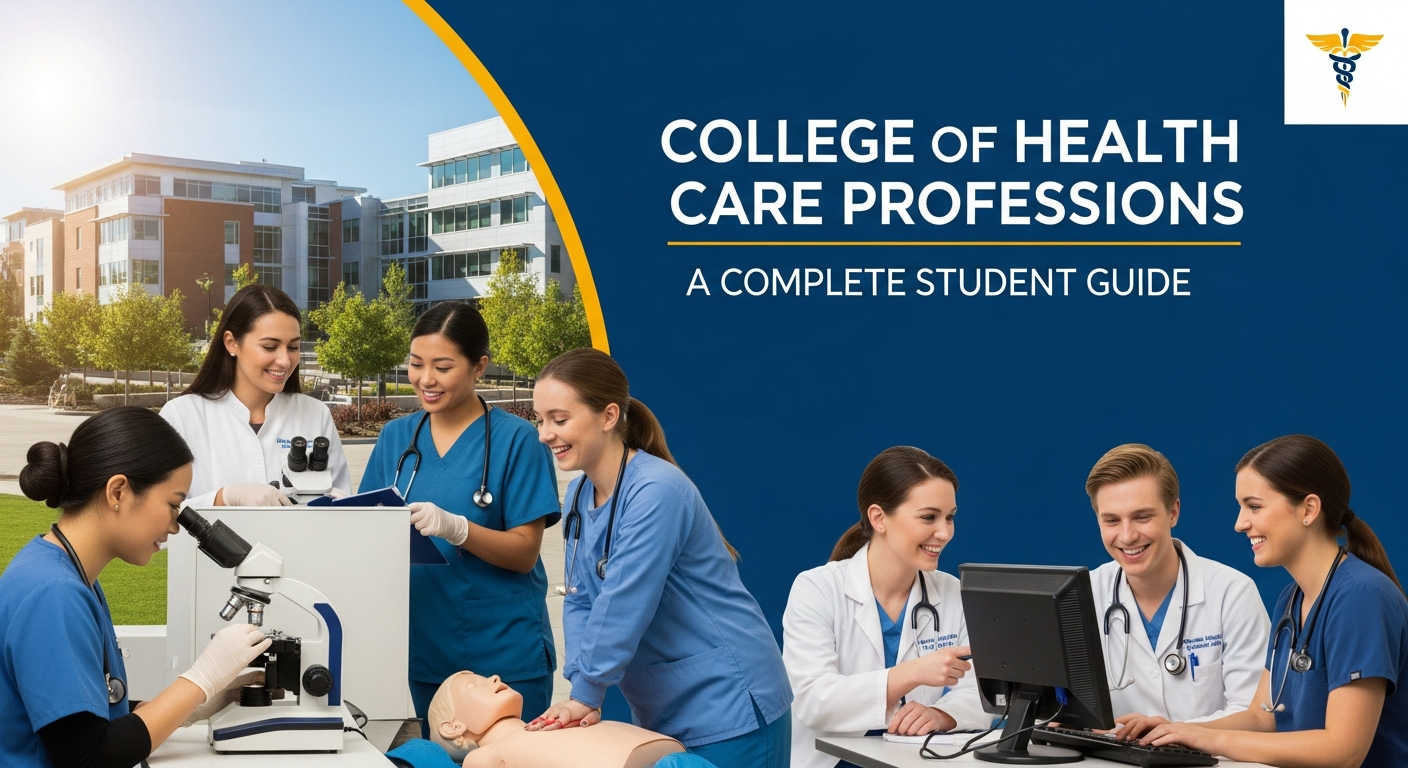
Choosing the right school can feel confusing, especially in healthcare. The college of health care professions is often chosen by students who want fast, focused, and practical training. These colleges help students move from the classroom to real jobs quickly. Many learners want stable careers, good pay, and work that matters. Healthcare offers all three.
A college of health care professions focuses on hands-on learning. Students train for real healthcare roles like medical assistants, dental assistants, and technicians. These schools are different from traditional universities. They offer shorter programs and career-focused education. Many students finish in months, not years.
This guide explains everything in simple terms. You will learn how these colleges work, who they help most, and what careers they lead to. I’ll also share real insights to help you decide if this path fits your goals.
What Is a College of Health Care Professions?
A college of health care professions is a specialized school. It trains students for specific healthcare jobs. Instead of general education, students focus on practical medical skills. Classes often include labs, simulations, and real-world practice.
These colleges serve students who want to start working quickly. Many programs last under two years. Some can be completed in under a year. This makes them attractive to adults, parents, and career changers.
The goal is simple. Teach job-ready skills. Prepare students for certification exams. Help graduates find healthcare jobs fast. Many colleges also help with resumes and interviews. That support can make a big difference for new graduates.
Who Should Attend a College of Health Care Professions?
A college of health care professions is not for everyone, and that’s okay. It works best for people who want clear career paths. If you like structure and hands-on learning, this may be a good fit.
These colleges are popular with adult learners. Many students work while studying. Flexible schedules help with family duties. Career changers also benefit. You don’t need years of schooling to enter healthcare.
I’ve seen students thrive here who struggled in traditional colleges. Smaller classes and focused training help many succeed. If you want practical education and fast results, this path makes sense.
Popular Programs Offered at Colleges of Health Care Professions
Most college of health care professions programs focus on in-demand roles. These jobs are needed in clinics, hospitals, and labs. Popular programs include:
- Medical Assistant
- Dental Assistant
- Pharmacy Technician
- Medical Billing and Coding
- Surgical Technician
- Healthcare Administration
Each program teaches specific skills. For example, medical assistants learn patient care and office work. Billing students focus on insurance and records. This clear focus saves time and energy.
Programs are designed around employer needs. That increases job chances after graduation. Many schools update programs often to match industry changes.
Admission Requirements and Enrollment Process
Getting into a college of health care professions is usually simple. Most schools require a high school diploma or GED. Some programs ask for background checks or health screenings.
The enrollment process is guided. Advisors help students choose programs and schedules. This support helps reduce stress. Many schools accept students year-round, not just once a year.
I’ve noticed this flexibility helps nervous students. You’re not competing with thousands of applicants. Instead, schools focus on readiness and commitment. That welcoming approach helps students feel confident from day one.
Cost of Attending a College of Health Care Professions
Cost matters. A college of health care professions usually costs less than a four-year university. Programs are shorter, so students save on time and living expenses.
Tuition varies by program and location. Many schools offer financial aid. This includes grants, loans, and scholarships. Some employers even help pay tuition.
Always ask for a full cost breakdown. This includes books, uniforms, and exam fees. Planning ahead avoids surprises. A good school will explain costs clearly and honestly.
Online vs On-Campus Learning Options
Many college of health care professions programs offer flexible learning. Some classes are online. Others are in person. Hands-on training is usually done on campus or at clinics.
Online classes help busy students. You can study at home and save travel time. On-campus labs provide real experience with equipment and patients.
Hybrid learning is common. This mix works well. You get flexibility and practice. Choose the format that fits your life and learning style best.
Career Opportunities After Graduation
Graduates from a college of health care professions often find jobs quickly. Healthcare keeps growing. Clinics and hospitals need trained workers.
Common job settings include hospitals, private practices, labs, and urgent care centers. Many graduates start entry-level roles and grow from there.
Healthcare jobs offer stability. Even during hard times, medical workers are needed. That job security is a big reason students choose this path.
Salary Expectations and Job Growth
Pay depends on the role and location. Graduates of a college of health care professions often earn competitive starting salaries. Some roles pay more with experience or certifications.
Healthcare jobs are growing faster than many other fields. An aging population increases demand. This means more opportunities and advancement options.
It’s smart to research salaries in your area. Advisors can help with that. Knowing earning potential helps you plan your future wisely.
Accreditation and Why It Matters
Accreditation is very important. A trusted college of health care professions should be accredited. This means it meets education standards.
Accreditation affects financial aid and job prospects. Employers prefer graduates from accredited schools. Certification exams may require it too.
Always check accreditation before enrolling. A good school will proudly share this information. Transparency builds trust and protects your investment.
Student Support and Career Services
Strong support makes a difference. Many college of health care professions offer tutoring, advising, and career help.
Career services may include resume writing, interview practice, and job placement help. Some schools have employer partnerships. That can lead to faster hiring.
From my experience, students who use these services do better. Asking for help is smart, not weak. Support is part of your tuition — use it.
FAQs About College of Health Care Professions
1. Is a college of health care professions worth it?
Yes, for students who want fast job training and stable careers.
2. How long do programs usually take?
Most programs take under two years. Some finish in months.
3. Can I work while studying?
Many students work part-time due to flexible schedules.
4. Are online programs available?
Yes, many offer online or hybrid learning options.
5. Do employers respect these colleges?
Yes, especially if the school is accredited.
6. Is financial aid available?
Most accredited schools offer financial aid options.
Final Thoughts: Is This the Right Path for You?
A college of health care professions can be a powerful stepping stone. It offers focused education, faster completion, and real career outcomes. For students who want practical skills and job security, this path makes sense.
Healthcare is about helping people. If that matters to you, this career can be deeply rewarding. Take time to research schools. Ask questions. Talk to advisors and graduates.